
Our platform starts here — with the qEV isolation and single-particle measurement systems below. As Exonova Instruments grows, we plan to add complementary tools from other specialist suppliers within EV, LNP, and nanoparticle science.
Purify particles at scale, gently and reproducibly. The qEV isolation platform uses size-exclusion chromatography (SEC) to separate extracellular vesicles and other nanoparticles from contaminating protein — pure, gentle, scalable, and versatile enough to take a sample from fundamental research through to diagnostic development and therapeutic production.
qEV columns come in seven sample-loading sizes and three resin series, so every lab — from a single 150 µL sample to industrial-scale bioprocessing — works from the same trusted isolation chemistry.
Download qEV Isolation Brochure (PDF)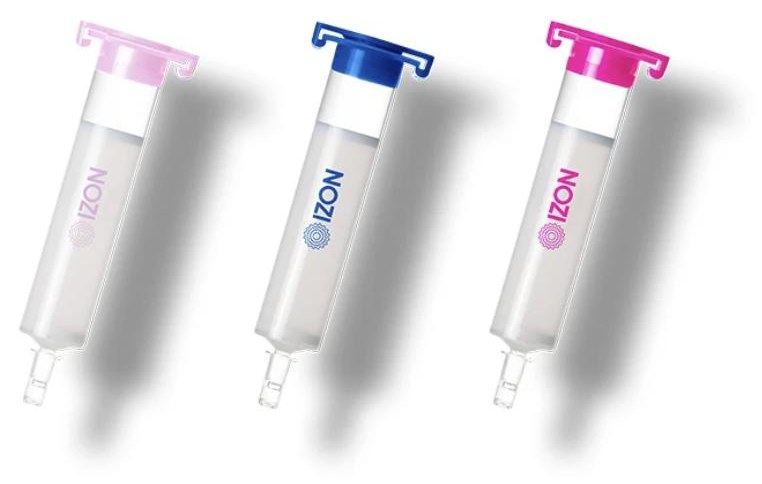
| Column | Sample Loading | Best For |
|---|---|---|
| qEVsingle | 150 µL | Small biological samples where highest purity matters most. Compatible with the Automatic Fraction Collector (AFC). |
| qEVoriginal | 500 µL | The original and most popular qEV column — ideal for high-throughput studies. AFC-compatible. |
| qEV1 | 1 mL | High-throughput studies and EV-RNA preparation. Made with the latest Gen 2 resin. AFC-compatible. |
| qEV2 | 2 mL | Larger clinical samples and RNA-analysis prep. Includes dual Luer-lock fitting. AFC-compatible. |
| qEV10 | 10 mL | Large-volume cell culture supernatant. Includes dual Luer-lock fitting. AFC-compatible. |
| qEV100 | 100 mL | Industrial-scale volumes of cell culture supernatant. Includes dual Luer-lock fitting. |
| Custom (qEV PurePath) | Beyond 100 mL | Process-scale and GMP-ready purification for customers moving past off-the-shelf volumes. |
When more is more. Maximises particle recovery, including smaller EV-sized particles and below — at the cost of lower isolate purity.
The middle ground. Superior protein removal compared to the 20 nm series, though isolates are not as pure as the 70 nm series.
When less is more. Maximises EV isolate purity — by far the best at separating EVs from lipoprotein and other protein contaminants — at a slightly lower yield.
Exonova supplies the complete automation and bioprocessing range in India, with no restrictions — letting a single customer scale from one manual column to a GMP pilot line, under one platform and one point of contact.
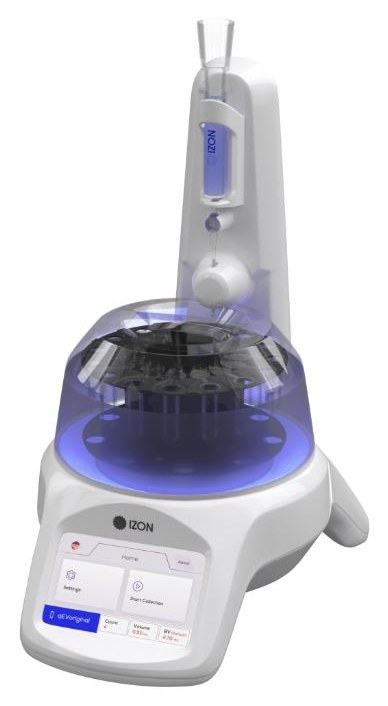
Automates fraction collection from a single qEV column, replacing labour-intensive manual collection with a fast, reproducible process. qEV columns are recognised automatically via an RFID tag; users set desired buffer and collection volumes on a 5-inch touchscreen.
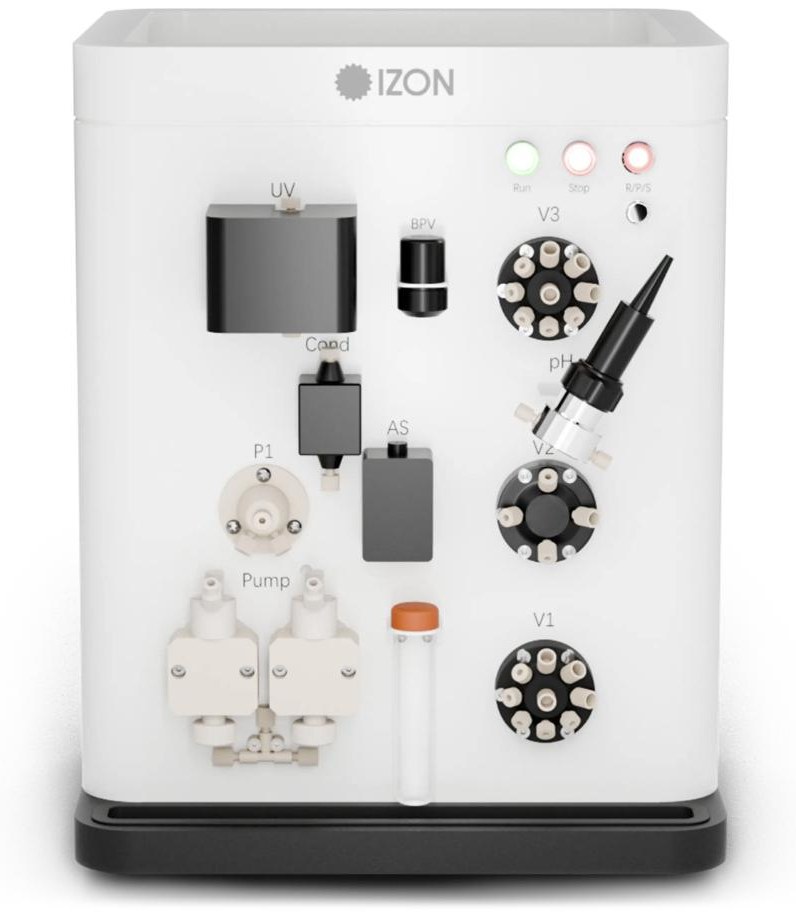
Automates qEV isolation with real-time monitoring of UV, pH, and conductivity, delivering reproducible purification of LNPs, EVs, and VLPs. Compatible with qEV2 through qEV100 and custom columns — scales from R&D to GMP, including a cGMP-compliant "Zenco Pro" variant with 21 CFR Part 11-ready software.
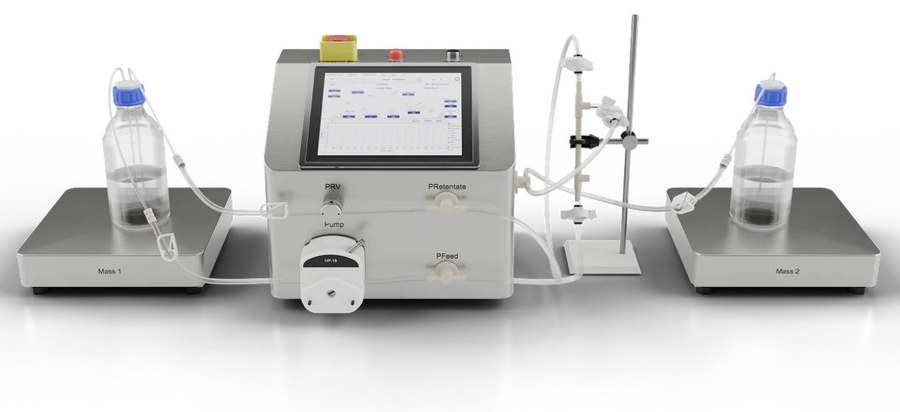
Concentrates or diafilters samples upstream or downstream of qEV isolation — the step that lets a workflow scale from millilitres to litres, with a GMP-ready version available for clinical-grade work.
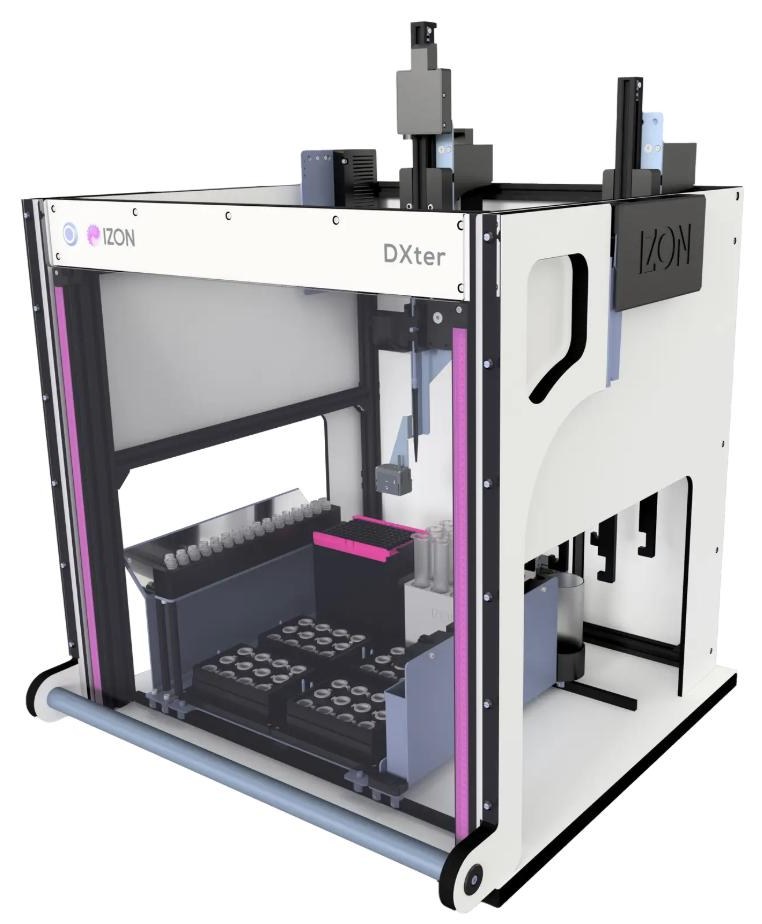
The newest automation platform in the range — a high-throughput diagnostic workflow tool that automates qEV purification with precision robotics, processing up to 12 qEVoriginal or 24 qEVsingle columns in parallel.
Measure nanoparticles one at a time, not as an ensemble average. Our two single-particle measurement systems reveal size, concentration, and zeta potential distributions that bulk techniques like DLS and NTA can miss.
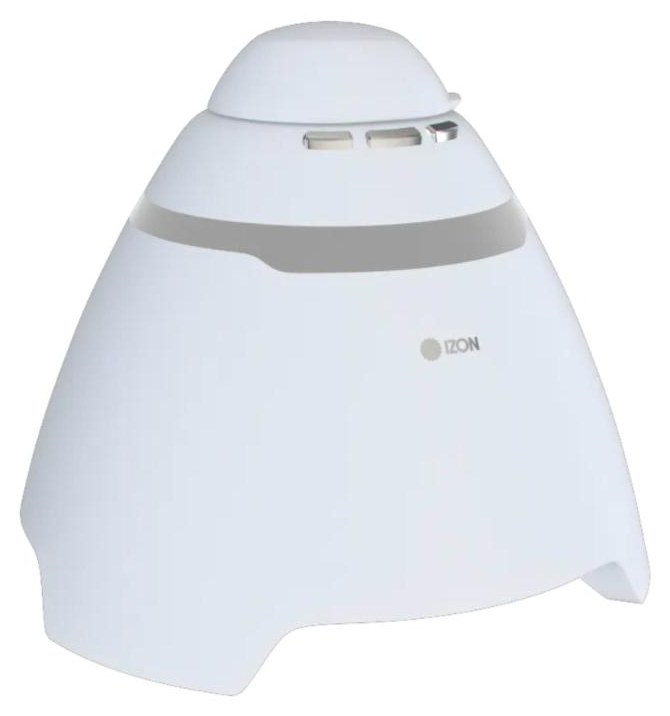
Maximum flexibility across complex, heterogeneous samples.
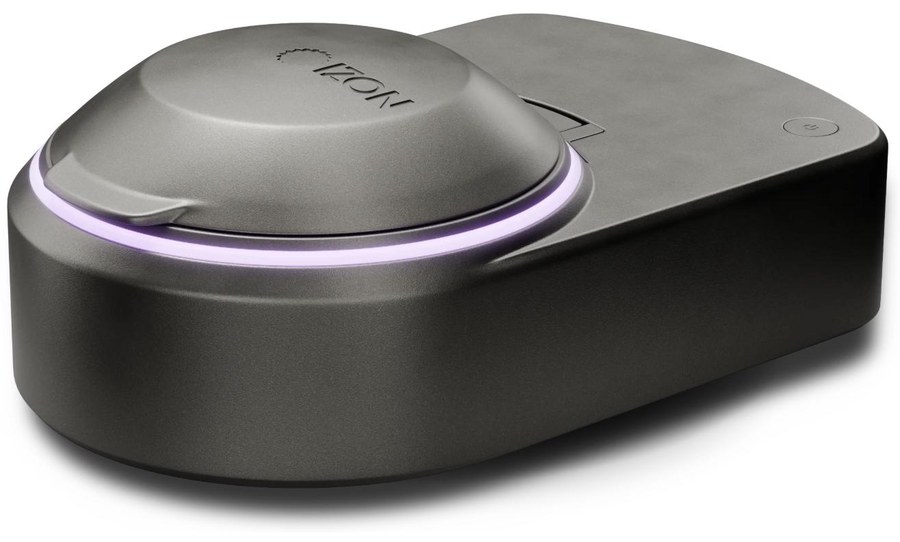
The fastest, easiest workflow, with the lowest learning curve.
| The Exoid | The Pulsoid | |
|---|---|---|
| Technology | Tunable Resistive Pulse Sensing (TRPS) | Nanopore Pulse Sensing (NPS) — solid-state nanopore |
| Measures | Size, concentration, zeta potential | Size, concentration, zeta potential |
| Size range | 40 nm–11 µm (size + concentration); 40–2,000 nm (size + zeta) | 40–140 nm (additional sizes in development) |
| Concentration range | 1×10⁵ to 1×10¹¹ particles/mL | 1×10⁹ to 1×10¹² particles/mL |
| Sample loading | Varies by nanopore/application | 70 µL |
| Speed | Hands-on workflow; skill-rewarding for complex samples | 2–5 minutes per sample; roughly double the Exoid's throughput |
| Size accuracy | NIST-traceable calibration for every measurement | 100% ± 2% — 99.7% agreement with TEM on NIST-traceable standards |
| Positioning | Maximum control, flexibility, and depth across diverse, complex, heterogeneous nanoparticle types. Established, publication-backed platform. | Fast, standardised, high-resolution measurement for defined workflows — the newest instrument, with the lowest learning curve. |
| Pricing | Request a Quote | Request a Quote |
Choose the Exoid if you need maximum control and flexibility across complex, heterogeneous samples. Choose the Pulsoid if you want the fastest, easiest workflow with the lowest learning curve — especially for LNP characterisation and high sample throughput.